


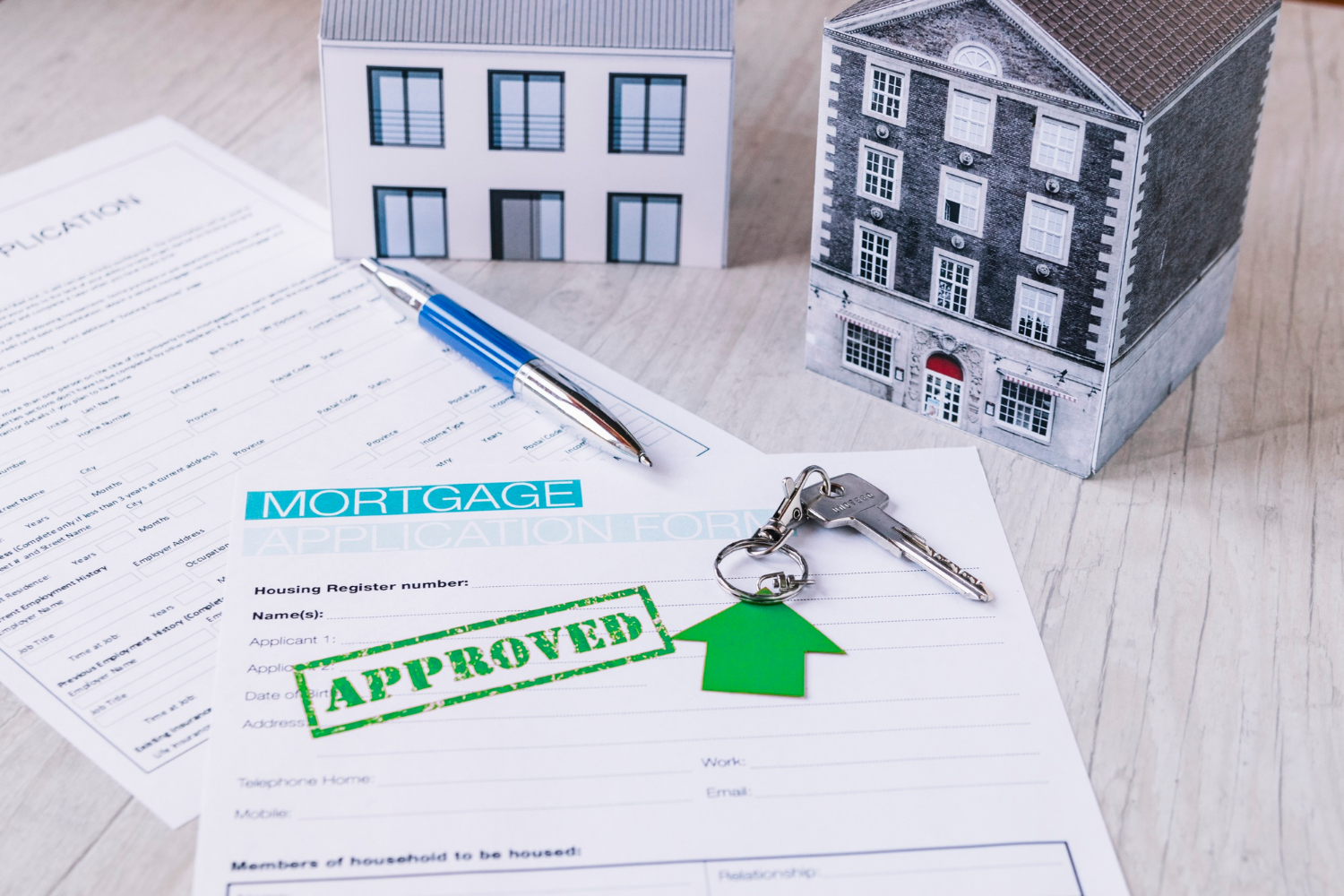
Shopping for a residence is among the most vital milestones in life, however earlier than you can begin choosing out paint colours and furnishings, there’s one huge step you want to conquer—mortgage approval. Securing a mortgage can appear daunting, particularly in case you’re new to the method, however don’t fear. With the correct information and preparation, you possibly can confidently navigate the mortgage approval course of and transfer one step nearer to proudly owning your dream residence!
This information will stroll you thru the whole lot you want to find out about getting accepted for a mortgage, from understanding how mortgages work, to what lenders are trying for, to ideas that can assist enhance your possibilities of approval. Let’s dive in and demystify the mortgage approval course of.
What’s a Mortgage?
A mortgage is a mortgage particularly designed for buying actual property. The property you’re shopping for acts as collateral for the mortgage, that means that in case you fail to make the required funds, the lender has the correct to take possession of the property by means of foreclosures. Mortgages sometimes include phrases starting from 15 to 30 years, throughout which era you’ll make month-to-month funds that cowl each the principal (the mortgage quantity) and the curiosity (the lender’s charge for loaning you the cash).
Most individuals can’t afford to purchase a residence outright, which is why a mortgage is such a important a part of the home-buying course of. Earlier than a lender approves you for a mortgage, they’ll consider a number of elements to make sure you’re a good candidate for a mortgage.
How the Mortgage Approval Course of Works
Getting a mortgage accepted includes a sequence of steps that assist each you and the lender decide whether or not you’re financially prepared to tackle a residence mortgage. Right here’s a breakdown of the everyday mortgage approval course of:
1. Pre-Approval
Step one in securing a mortgage is getting pre-approved. Throughout the pre-approval course of, the lender evaluations your monetary data, together with your credit score rating, earnings, and money owed, to offer you an estimate of how a lot cash you possibly can borrow. Pre-approval is essential as a result of it reveals sellers you’re critical about shopping for, and it provides you a clear concept of your price range.
- Paperwork Required: You’ll sometimes want to present latest pay stubs, W-2 kinds, financial institution statements, and tax returns.
- Credit score Verify: The lender will run a credit score verify to see your credit score rating and evaluate your credit score historical past.
When you’re pre-approved, the lender will offer you a pre-approval letter, which you need to use when making presents on properties.
2. Home Searching and Making an Supply
Along with your pre-approval in hand, you can begin procuring for properties inside your price range. As soon as you discover the proper property, you’ll make a proposal. If the vendor accepts, you’ll transfer ahead with the mortgage software course of.
3. Full Mortgage Software
When you’ve discovered a residence and made a proposal, it’s time to full the total mortgage software. Throughout this stage, the lender will take a deeper take a look at your monetary state of affairs and confirm the entire data offered throughout the pre-approval course of. You’ll want to submit extra detailed documentation, equivalent to proof of employment and extra monetary data.
4. Dwelling Appraisal and Inspection
To guard their funding, lenders require an appraisal of the property to be sure that the house’s worth aligns with the mortgage quantity. Moreover, a residence inspection is performed to verify for any points that may have an effect on the property’s worth. If the house doesn’t appraise for the agreed-upon value, it might influence your mortgage approval, and you could want to renegotiate with the vendor.
5. Underwriting
Underwriting is the method the place the lender assesses the danger of approving your mortgage. The underwriter will evaluate your credit score, financial documentation, and the property appraisal to guarantee the whole lot meets the lender’s tips. If all goes nicely, the underwriter will approve your mortgage.
6. Closing
As soon as your mortgage is accepted, the ultimate step is closing. On the closing assembly, you’ll signal the entire needed paperwork, pay your closing prices, and formally take possession of your new residence!
What Lenders Look For When Approving a Mortgage
So, what precisely are lenders trying for when deciding whether or not to approve your mortgage? They need to make sure you’re financially secure sufficient to deal with the mortgage and that the house is a good funding. Listed here are the important thing elements that influence mortgage approval:
1. Credit score Rating
Your credit score rating is among the most vital elements in getting accepted for a mortgage. The next credit score rating reveals lenders that you simply’re accountable along with your money owed and extra seemingly to repay the mortgage. Most lenders require a credit score rating of at the least 620 for typical loans, however greater scores will allow you to safe higher rates of interest.
- Wonderful Credit score: 750 and above
- Good Credit score: 700-749
- Honest Credit score: 650-699
- Poor Credit score: Beneath 650
In case your credit score rating is on the decrease finish, you should still qualify for a mortgage, however it might include greater rates of interest or require a bigger down fee.
2. Earnings and Employment
Lenders need to ensure you have a secure supply of earnings to repay the mortgage. They’ll take a look at your present earnings, job historical past, and employment stability. Most lenders favor that debtors have at the least two years of regular employment in the identical area. Be ready to present pay stubs, W-2s, and tax returns as proof of your earnings.
3. Debt-to-Earnings Ratio (DTI)
Your debt-to-income ratio (DTI) is the proportion of your month-to-month earnings that goes towards paying money owed. Lenders calculate your DTI by dividing your complete month-to-month debt funds by your gross month-to-month earnings. A decrease DTI signifies that you’ve a good stability between your earnings and debt, making you much less of a danger to lenders.
- Entrance-Finish DTI: This refers to the proportion of your earnings that can go towards your mortgage fee, property taxes, insurance coverage, and house owner’s affiliation charges. Lenders sometimes need to see this quantity beneath 28%.
- Again-Finish DTI: This consists of your entire month-to-month debt funds, equivalent to bank card payments, automobile loans, pupil loans, and your new mortgage. Lenders often favor a back-end DTI of 36% or decrease, although some could enable up to 43%.
4. Down Fee
The dimensions of your down fee performs a important position in mortgage approval. A bigger down fee reduces the lender’s danger, so debtors who put down 20% or extra are sometimes extra seemingly to get accepted. Whereas some mortgage packages enable for smaller down funds, equivalent to FHA loans (which require as little as 3.5%), a greater down fee may allow you to safe higher phrases and decrease rates of interest.
5. Belongings and Financial savings
Lenders may also need to know when you’ve got any financial savings or belongings to fall again on in case of emergencies. This might embody money financial savings, retirement accounts, or different investments. Having belongings reveals lenders that you’ve a monetary cushion and reduces their danger in lending to you.
Suggestions to Enhance Your Probabilities of Mortgage Approval
Now that what lenders look for, listed here are some actionable ideas to enhance your possibilities of getting accepted for a mortgage:
1. Verify and Enhance Your Credit score Rating
Earlier than making use of for a mortgage, verify your credit score rating and handle any points that might be holding it down. Pay down excellent money owed, keep away from opening new credit score accounts, and ensure all of your payments are paid on time. The next credit score rating can enhance your possibilities of approval and allow you to safe a decrease rate of interest.
2. Save for a Bigger Down Fee
The extra you possibly can put down upfront, the higher your possibilities of getting accepted. Intention for at the least 20% of the house’s value to keep away from non-public mortgage insurance coverage (PMI) and decrease your month-to-month funds. Even in case you can’t attain 20%, saving for a bigger down fee can nonetheless allow you to qualify for higher mortgage phrases.
3. Pay Down Debt
Your debt-to-income ratio performs a essential position in mortgage approval. Deal with paying down bank cards, automobile loans, and different excellent money owed to decrease your DTI earlier than making use of for a mortgage. This not solely makes you a extra enticing borrower but in addition frees up extra of your earnings for mortgage funds.
4. Get Pre-Approved
As talked about earlier, getting pre-approved for a mortgage can provide you a aggressive edge within the home-buying course of. Pre-approval reveals sellers that you simply’re critical and financially able to buying their residence. It additionally provides you a clear concept of how a lot you possibly can afford and helps you keep away from falling in love with properties outdoors your price range.
5. Preserve Your Monetary State of affairs Steady
When you’ve utilized for a mortgage, it’s important to preserve your monetary state of affairs secure. Keep away from making main purchases, opening new traces of credit score, or altering jobs throughout the approval course of. Any important modifications in your monetary image can elevate crimson flags with lenders and doubtlessly derail your mortgage approval.
Frequent Mortgage Approval FAQs
What credit score rating do I want to get accepted for a mortgage?
Most lenders require a credit score rating of at the least 620 for typical loans. Nevertheless, debtors with greater credit score scores (700 and above) are extra seemingly to get higher rates of interest and phrases. FHA loans could also be accessible to these with scores as little as 580, and VA loans don’t have a minimal credit score rating requirement.
How lengthy does the mortgage approval course of take?
The whole mortgage approval course of can take wherever from 30 to 60 days, relying on elements just like the complexity of your monetary state of affairs, the effectivity of your lender, and the velocity of the house appraisal and inspection course of.
Can I get accepted for a mortgage if I’ve a lot of debt?
It’s potential to get accepted for a mortgage even when you’ve got some debt, however your debt-to-income ratio (DTI) will play a important position within the approval course of. Lenders sometimes favor a DTI beneath 36%, although some could enable up to 43%. Lowering your debt earlier than making use of can enhance your possibilities of approval.
What occurs if I’m denied a mortgage?
In case your mortgage software is denied, the lender will clarify the rationale for the denial. This might be due to a low credit score rating, inadequate earnings, excessive debt ranges, or different elements. Take this suggestions as a chance to enhance your monetary state of affairs earlier than reapplying. Deal with constructing credit score, paying down debt, or saving for a bigger down fee.
Conclusion
Getting accepted for a mortgage is a important step towards homeownership, and whereas the method could appear complicated, being ready could make all of the distinction. By understanding what lenders look for—equivalent to a sturdy credit score rating, regular earnings, manageable debt ranges, and adequate financial savings—you possibly can take steps to enhance your monetary profile and improve your possibilities of success.
Whether or not you’re a first-time homebuyer or trying to improve to your dream residence, the correct preparation will help you navigate the mortgage approval course of with confidence. So, begin planning now, and also you’ll be signing these closing papers and transferring into your new residence earlier than it!